
Blog

  • Kin Luna Morada in Worcester, MA: Where to Buy & How to Serve It

    Kin Luna Morada in Worcester, MA: Where to Buy & How to Serve It

    Straight to it: Kin Luna Morada is Kin Euphorics’ alcohol-free, caffeine-free drink with a sweet, smoky flavor inspired by chicha morada, the Peruvian purple corn beverage. In Worcester, deVINE on Pleasant Street lists it at $7.50 a can, though it was showing sold out online, so call before you go. Serve it very cold over ice with an orange or lime twist, or pour it into a wine glass as an evening aperitif.

    Kin Euphorics built its name on alcohol-free drinks designed to replace the evening cocktail. Luna Morada is one of its more unusual flavors, and it takes inspiration from a drink most Americans have never tasted: chicha morada, the deep purple, spiced corn beverage that is a fixture at Peruvian tables.

    That makes it a little hard to picture from the can alone. This guide explains what Luna Morada is, the tradition behind it, what to know about its ingredients, how to serve it well, and where to find it around Worcester. We also include a simple homemade chicha morada recipe for when the cans are out of stock.
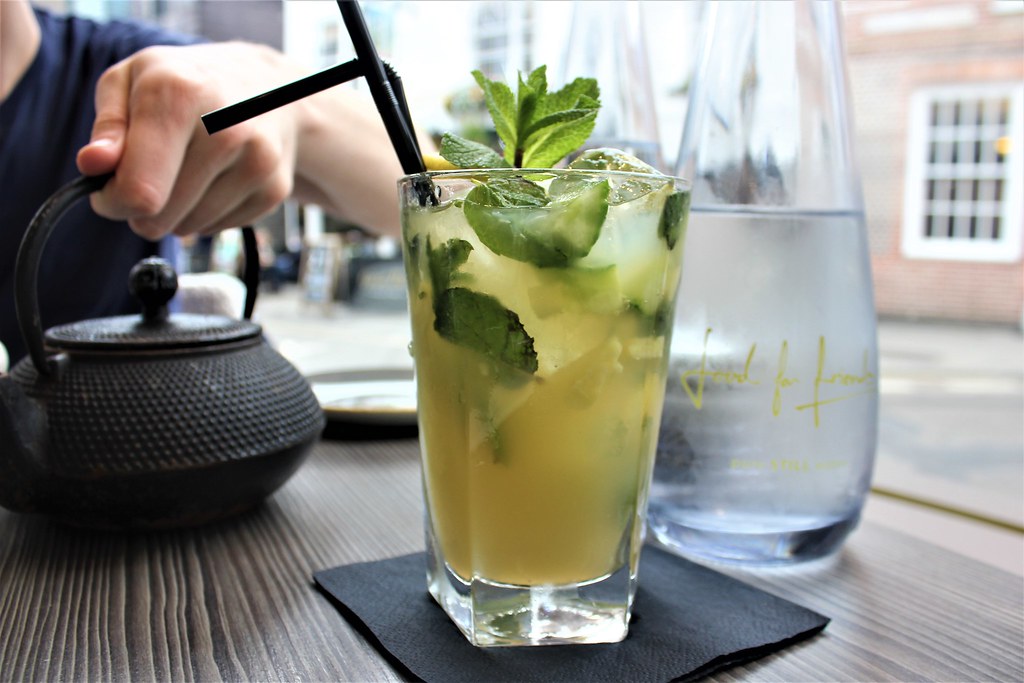
    Non-alcoholic cocktail with mint served on a cafe table
    Photo: CharlieOnTravel via flickr, CC BY 2.0

    What Is Kin Luna Morada?

    According to deVINE’s Kin Luna Morada listing, it is a non-caffeinated, alcohol-free “metabolic tonic” inspired by Latin American chicha, with a sweet-smoky flavor profile and a blend of botanical ingredients. The listing describes the formula in general terms, mentioning adaptogenic botanicals, functional plant extracts, and ingredients chosen with digestion and the liver in mind, without naming specific ingredients.

    Drinks coverage of the product, citing the brand, has described Luna Morada as containing purple maize, milk thistle, and wormwood, with 0.0 percent alcohol by volume. Because the retailer listing does not break down the ingredients, check the can’s label for the full list and amounts before you drink it.

    Key facts at a glance:

    • Brand: Kin Euphorics
    • Alcohol: none
    • Caffeine: none
    • Flavor: sweet and smoky, chicha-inspired
    • Local price: $7.50 per can at deVINE, per the listing

    The Tradition Behind It: Chicha Morada

    “Chicha” is a broad name for traditional corn-based drinks from the Andes, some fermented and some not. Chicha morada is the non-fermented version, made by simmering dried purple corn, called maíz morado, with pineapple rind, cinnamon, and cloves, then sweetening it and brightening it with lime. The result is a deep purple drink that tastes fruity, gently spiced, and a little tart.

    In Peru and parts of Bolivia, chicha morada is an everyday drink, served cold with lunch and at gatherings. The striking color comes from anthocyanins, the same family of plant pigments that color blueberries and red cabbage.

    There is also an alcoholic side to the chicha family. Chicha de jora, made from fermented corn, has been brewed in the Andes for a very long time and is a different drink entirely. When you see “chicha” on a menu, it is worth asking which kind it is. Luna Morada, like chicha morada, is on the non-alcoholic side.

    Luna Morada borrows that flavor world and adds a smoky edge, which is what makes it feel more like an evening drink than a lunchtime refresher.

    What to Know About the Ingredients

    Functional drinks often borrow from the supplement world, and that brings a few things worth knowing.

    Purple maize is the traditional base of chicha morada and a food ingredient in its own right.

    Milk thistle is a botanical sold as a supplement and traditionally associated with the liver. Research on it is mixed.

    Wormwood is the bitter herb best known as a traditional ingredient in absinthe. It contains a compound called thujone, which can be harmful in large amounts. Food and beverage products are expected to keep thujone low, but wormwood is generally something to avoid during pregnancy, and people with seizure disorders should ask a doctor before consuming products that contain it.

    Because these are supplement-style ingredients, the NIH’s guidance on making smart choices about dietary supplements and botanicals is worth a read. It explains that supplements are not reviewed by the FDA for safety and effectiveness before sale, that natural ingredients can still cause side effects, and that botanicals can interact with medications. None of the language on the Luna Morada listing, including “metabolic,” “digestive,” or “liver-supportive,” is an FDA-evaluated health claim.

    Where to Buy Kin Luna Morada in Worcester

    deVINE Worcester

    The local shop carrying Kin is deVINE, an alcohol-free drinks and wellness store on Pleasant Street. It is at 246 Pleasant Street, Worcester, MA 01609, and open from 10 AM to 8 PM every day. The listing showed both single cans and four-packs as unavailable when we checked, so call (774) 622-2386 to ask when it will be back.

    Why it stands out. Kin is still a specialty brand, and a shop focused on alcohol-free drinks is the likeliest place in Worcester to find it, along with staff who can suggest alternatives if it is out.

    Best for. Adults looking for a caffeine-free evening drink with more complexity than soda.

    What to know. If Luna Morada is out of stock, ask what other alcohol-free aperitif-style drinks are on the shelf, or try the homemade chicha morada below.

    Online

    Kin sells directly through its own website, typically in multi-can packs, and through some online retailers. That is the most reliable route if you want several cans at once.

    For a quick look at the can and how it pours:

    How to Serve Kin Luna Morada

    The simple pour. Chill the can well. Pour over a large ice cube in a rocks glass and add a wide strip of orange peel. The citrus oil lifts the smoky notes.

    The aperitif. Pour into a chilled wine glass over ice with a lime wheel and a cinnamon stick. It looks like a proper pre-dinner drink and suits the chicha spices.

    The spritz. Fill a glass with ice, add half a can of Luna Morada, and top with sparkling water. Garnish with a slice of pineapple, a nod to the pineapple rind in traditional chicha morada.

    The highball. Pour over ice in a tall glass and top with a splash of ginger beer for extra spice and fizz.

    Hot-weather version. On a summer evening, pour Luna Morada over crushed ice with a handful of fresh mint and a squeeze of lime for something closer to a cooler than an aperitif.

    With food. The sweet-smoky profile pairs well with grilled meats, roasted vegetables, spiced dishes, and Peruvian favorites like ceviche and lomo saltado, where chicha morada is traditionally served.

    For garnish ideas and technique across countless drinks, the bartender reference library at Difford’s Guide is a great browse, even when you are building alcohol-free serves.

    Make Your Own Chicha Morada at Home

    When the cans are out of stock, or if you are curious about the original, homemade chicha morada is easy and makes a big batch. This version is not a copy of Luna Morada; it is the traditional drink that inspired it.

    Makes about 8 servings.

    • 1 pound dried purple corn (maíz morado), on or off the cob
    • About 3 quarts water
    • Rind of 1 pineapple, plus diced pineapple for serving
    • Peel of 1 green apple, plus diced apple for serving
    • 2 cinnamon sticks
    • 5 whole cloves
    • Sugar to taste (start with about half a cup)
    • Juice of 3 to 4 limes
    1. Rinse the corn. Put it in a large pot with the water, pineapple rind, apple peel, cinnamon, and cloves.
    2. Bring to a boil, then lower to a steady simmer for about 45 minutes, until the liquid is deep purple.
    3. Strain into a pitcher and stir in sugar while warm, tasting as you go.
    4. Cool completely, then refrigerate.
    5. Just before serving, stir in lime juice and add diced pineapple and apple.

    Dried purple corn is sold at many Latin American grocery stores and online. For a smoky twist closer to Luna Morada, add a small splash of cooled lapsang souchong tea to each glass.

    Luna Morada vs Homemade Chicha vs a Cocktail

    Option Alcohol Caffeine Flavor Effort
    Kin Luna Morada None None Sweet, smoky, spiced None
    Homemade chicha morada None None Fruity, spiced, tart About an hour, makes a batch
    Typical spirit-based cocktail Yes, often one standard drink or more Usually none Varies Varies

    Why Choose an Alcohol-Free Evening Drink

    Kin’s whole premise is replacing the evening drink, and there are solid reasons people make that swap. The CDC’s guidance on alcohol use and health notes that drinking less is better for health than drinking more, and that some people should not drink at all, including those who are pregnant, under 21, taking medications that interact with alcohol, or in recovery.

    An alcohol-free drink like Luna Morada keeps the ritual of pouring something special at the end of the day without adding alcohol. For many people, that ritual is the part they would miss most.

    If you are building a broader wind-down routine, this overview of holistic living and balanced routines offers ideas beyond what is in your glass.

    About Kin Euphorics

    Kin Euphorics is one of the better-known names in the alcohol-free drinks movement. The brand positions its products as “euphorics,” drinks designed for social moments and evening rituals without alcohol, and it uses botanicals, adaptogens, and other functional ingredients across its lineup. deVINE’s catalog lists several Kin products, which suggests the shop treats the brand as a core part of its alcohol-free range.

    Different Kin drinks use different ingredient sets, and some include ingredients with their own cautions, so it is worth reading each can individually rather than assuming they are interchangeable.

    Purple Corn: More Than a Color

    The maíz morado at the heart of chicha morada is a variety of corn native to the Andes, with kernels and cobs so deeply pigmented that they turn simmering water a vivid purple. That color comes from anthocyanins, natural plant pigments also found in blackberries, eggplant skin, and red cabbage.

    Purple corn has become popular beyond Peru as a natural food coloring and as an ingredient in drinks and snacks. You will sometimes see enthusiastic health claims attached to it online. As with most single foods, the honest picture is more modest: it is a colorful, flavorful ingredient in a traditional drink, and a pleasant reason to explore Peruvian food culture, rather than a remedy.

    If you cook with dried purple corn at home, note that the cobs release a lot of color, so many cooks simmer the whole ears rather than removing the kernels. Save the strained corn and fruit scraps for a second, lighter batch, as many Peruvian home cooks do.

    Reading Functional Drink Labels Critically

    Luna Morada’s listing uses several words that are common across functional beverages: “metabolic,” “digestive,” “liver-supportive,” “detox,” and “adaptogen.” None of these are regulated health terms, and none mean the FDA has evaluated the drink for any effect.

    A few habits help you see past the marketing:

    • Look for the ingredient list, not the adjectives. What is actually in the can matters more than how it is described.
    • Look for amounts. A botanical listed without a quantity may be present in a very small amount.
    • Be wary of “detox.” Your liver and kidneys handle detoxification. No drink replaces that.
    • Judge on taste and ritual. If you enjoy the drink as an alcohol-free evening option, that is a perfectly good reason to buy it. Buy it for that, not for a promised health effect.

    An Alcohol-Free Peruvian-Inspired Dinner

    Luna Morada and homemade chicha morada both shine alongside food, so why not build a small dinner around them? A simple, alcohol-free menu might look like this:

    • To start: ceviche with red onion, lime, and chile, or a simple avocado and corn salad.
    • Main: lomo saltado, a stir-fry of beef, tomatoes, and onions served with rice and fries, or roast chicken with a green herb sauce.
    • Drinks: a pitcher of homemade chicha morada with diced fruit for the table, and chilled cans of Luna Morada over ice with orange peel for the smoky option.
    • Dessert: mazamorra morada, the purple corn pudding that is chicha morada’s dessert sibling, or simple fresh fruit.

    Worcester has a diverse food scene, and many Latin American grocery stores carry dried purple corn and other Peruvian pantry staples if you want to cook the whole menu yourself.

    Other Alcohol-Free Aperitifs to Explore

    If you like Luna Morada, you will probably enjoy other drinks in the same bittersweet, spiced, pre-dinner style. Look for alcohol-free bitter aperitifs, which bring an orange and herbal bitterness; botanical spritzes that combine a bitter base with sparkling water; and spiced shrubs, which are drinking vinegars sweetened and flavored with fruit and spices. Homemade hibiscus tea with cinnamon and orange peel is another inexpensive option in a similar color and flavor family.

    Serving Temperature and Storage

    Like most flavored sparkling or still drinks, Luna Morada tastes best very cold. Refrigerate cans for several hours before serving, or at least chill them in an ice bucket. Warm cans taste sweeter and flatter.

    Store unopened cans somewhere cool and out of direct sunlight, and drink an opened can the same day. Homemade chicha morada keeps in a sealed pitcher in the fridge for a few days; add the diced fruit and lime only to the portion you are serving, so the rest stays fresh.

    Three Alcohol-Free Serves Built on Luna Morada

    Once you have a few cans, it is fun to treat Luna Morada as a base for simple mixed drinks.

    Morada Mule

    • Half a can of Kin Luna Morada
    • 3 oz ginger beer
    • 0.5 oz fresh lime juice
    • Lime wheel and a small piece of candied ginger

    Build over crushed ice in a mug or tall glass, stir gently, and garnish. The ginger heat plays nicely against the smoky sweetness.

    Pineapple Morada Cooler

    • Half a can of Kin Luna Morada
    • 2 oz pineapple juice
    • 2 oz sparkling water
    • Pinch of cinnamon

    Shake the Luna Morada, pineapple juice, and cinnamon briefly with ice, strain into a tall glass over fresh ice, and top with sparkling water. It leans into the pineapple-and-spice character of traditional chicha morada.

    Smoky Orange Sipper

    • 1 can Kin Luna Morada, well chilled
    • A wide strip of orange peel
    • 2 dashes alcohol-free orange bitters (optional)

    Pour over one large cube in a rocks glass, add the bitters, and express the orange peel over the top before dropping it in. This is the closest thing to an old fashioned in the lineup.

    If you make these for guests, mention the botanicals in the base so anyone who is pregnant, on medication, or has plant allergies can decide for themselves.

    Building an Evening Ritual Without Alcohol

    For many people, the hardest part of cutting back on alcohol is not the drink itself. It is the ritual: the moment after work when you pour something, sit down, and mark the end of the day. Drinks like Luna Morada are designed to fill that exact moment.

    A few ideas make the swap feel intentional rather than like something is missing:

    • Use real glassware. A nice rocks glass or wine glass changes how a drink feels far more than people expect.
    • Garnish it. An orange twist or cinnamon stick takes ten seconds and signals that this is a proper drink.
    • Keep the same time and place. If your evening ritual happened on the porch at 6 PM, keep it there, just with a different glass.
    • Pair it with something to do. A book, a walk, cooking dinner, or a call with a friend all give the moment shape.
    • Rotate a few options. Alternating between Luna Morada, homemade chicha, and sparkling water with citrus keeps things interesting and costs less than a can every night.

    Over time, many people find the ritual matters more than the contents, which is the whole idea behind drinks like this.

    Who Should Check Before Drinking

    • Pregnant or breastfeeding people, especially because of wormwood.
    • People with seizure disorders, who should ask a doctor about any wormwood-containing product.
    • People taking prescription medications, since botanicals like milk thistle can interact with some drugs.
    • People with allergies to plants in the daisy family, which includes wormwood and milk thistle.
    • Children. This is an adult functional beverage.

    Kin Luna Morada FAQ

    What does Kin Luna Morada taste like?

    It is described as sweet and smoky with spice and botanical complexity, inspired by chicha morada, the Peruvian purple corn drink made with pineapple, cinnamon, and cloves.

    Does Kin Luna Morada have alcohol or caffeine?

    No. It is alcohol-free and non-caffeinated, according to the retailer listing.

    Where can I buy Kin Luna Morada in Worcester?

    deVINE at 246 Pleasant Street lists it at $7.50 a can. It was showing sold out online, so call (774) 622-2386 to check. Kin also sells it online.

    What is chicha morada?

    A traditional non-fermented Peruvian drink made by simmering purple corn with pineapple rind, cinnamon, and cloves, then sweetening it and adding lime. It is deep purple and usually served cold.

    How should I serve Kin Luna Morada?

    Very cold, over a large ice cube with an orange twist, or in a wine glass with lime and a cinnamon stick. It also works as a spritz topped with sparkling water.

    Is Kin Luna Morada safe during pregnancy?

    Ask your doctor first. Drinks coverage citing the brand lists wormwood among its botanicals, and wormwood is generally advised against during pregnancy.

    Health and product disclaimer

    This article is general information and not medical advice. Descriptions such as “metabolic,” “digestive-supportive,” and “liver-supportive” reflect marketing language, not FDA-evaluated health claims, and no functional beverage discussed here is intended to diagnose, treat, cure, or prevent any condition.

    Botanicals including wormwood and milk thistle may cause side effects, allergic reactions, or interactions with medications. Consult a healthcare provider before use if you are pregnant or nursing, have a seizure disorder or other medical condition, or take prescription medication.

    Ingredient details not shown on the retailer listing are drawn from published product coverage; always read the can. Prices and availability can change; confirm with the retailer. Brand names are used for identification only.


  • Buying Retatrutide in the UK: What Researchers Need to Know About Sourcing, Purity and the Law

    Buying Retatrutide in the UK: What Researchers Need to Know About Sourcing, Purity and the Law

    The short version: Retatrutide is an investigational triple agonist that has not been approved by the MHRA, the FDA, or any other regulatory agency. It is legally available only through Eli Lilly’s clinical trials. Anything sold to consumers or researchers outside that framework is an unapproved product, and the MHRA has been actively seizing illicit weight loss medicines in the UK. The MHRA has stated that, outside authorised clinical trials, any products sold in the UK that claim to contain retatrutide are likely to be illegal and potentially dangerous, and a research-use-only label does not change that. Alta Peptides publishes lot-specific certificates of analysis for every product configuration, which is the baseline standard any researcher should expect before ordering.

    Search for “buy retatrutide UK” and you will find a market that exists in a regulatory grey zone. The compound is not licensed as a medicine in the UK. It is not available on the NHS. It is not dispensed by pharmacies. It is available only through Eli Lilly’s clinical trial programme, and every other source is selling an unapproved product that has not been evaluated by the MHRA for safety, quality, or efficacy.

    That does not mean there is no legitimate research market. Research peptides labeled for laboratory use occupy a different regulatory space from licensed medicines, and UK researchers do source them. But the gap between a documented research supplier and a seller marketing unapproved drugs is wide, and the MHRA has been actively enforcing against the latter.

    This guide is written for laboratory researchers who need to understand the UK regulatory landscape around retatrutide, what the published trial data actually shows, and how to evaluate a supplier before placing an order.

    What retatrutide is, and what the trial data shows

    Retatrutide is a synthetic peptide that acts as an agonist at three receptors: glucose-dependent insulinotropic polypeptide (GIP), glucagon-like peptide-1 (GLP-1), and glucagon. The discovery literature refers to it as LY3437943. The compound is a single molecule engineered to engage all three pathways simultaneously, which distinguishes it from single-agonist peptides such as semaglutide and dual-agonist peptides such as tirzepatide.

    The Phase 2 trial published in the New England Journal of Medicine in 2023 enrolled 338 adults with a BMI of 30 or higher, or a BMI of 27 to less than 30 with at least one weight-related condition. Participants received weekly subcutaneous injections of retatrutide at doses of 1 mg, 4 mg, 8 mg, or 12 mg, or placebo, for 48 weeks. The least-squares mean percentage change in body weight at 48 weeks was −8.7 percent in the 1 mg group, −17.1 percent in the combined 4 mg group, −22.8 percent in the combined 8 mg group, and −24.2 percent in the 12 mg group, compared with −2.1 percent in the placebo group. At 48 weeks, a weight reduction of 5 percent or more, 10 percent or more, and 15 percent or more had occurred in 92 percent, 75 percent, and 60 percent, respectively, of participants who received 4 mg, rising to 100 percent, 93 percent, and 83 percent in the 12 mg group, compared with 27 percent, 9 percent, and 2 percent with placebo.

    ClinicalTrials.gov lists NCT05929066 as a Phase 3 trial evaluating retatrutide in adults with obesity or overweight with weight-related comorbidities. The trial is designed to evaluate the efficacy and safety of the compound over a longer treatment period than the Phase 2 study. Eli Lilly announced topline results in May 2026: across 2,339 participants, all three doses met the primary endpoints, and the 12 mg dose produced an average weight loss of 28.3 percent at 80 weeks. Those results do not amount to regulatory approval.

    What the trial data does not establish is a safe and effective dose for any human use outside of a clinical trial setting. The clinical literature describes retatrutide in specific research contexts, with specific patient populations and monitoring protocols. Those conditions cannot be replicated by purchasing a research vial online and administering it without medical supervision.

    The UK regulatory landscape for retatrutide

    Retatrutide is not licensed as a medicine in the UK. It has not received a marketing authorisation from the MHRA, the European Medicines Agency, or any other national regulatory body. The only legal route to access in the UK is through participation in a clinical trial that has received the appropriate regulatory and ethics approvals.

    The MHRA has been active in enforcing against illicit supply. The MHRA’s announcement of a record seizure described the dismantling of a major illicit weight loss medicine production facility. In October 2025, officers raiding a Northampton warehouse seized more than 2,000 unlicensed retatrutide and tirzepatide pens awaiting dispatch, tens of thousands of empty pens, raw chemical ingredients and manufacturing equipment. The MHRA described the products as untested, unauthorised and potentially deadly.

    That enforcement context matters for researchers. A supplier that sells retatrutide to UK consumers without a clinical trial framework is operating outside the law. The MHRA has also said that, outside authorised clinical trials, any products sold in the UK that claim to contain retatrutide are likely to be illegal, so a research-use-only label is not a safe harbour.

    The Alta Peptides guide to obtaining retatrutide in the UK explains the difference between clinical trial access, licensed medicine, and research-grade supply, and why the three routes are not interchangeable.

    Why the online market exists, and what the MHRA has done about it

    The gap between clinical trial access and public demand created a market. The MHRA has responded with enforcement actions. The agency has warned that unlicensed weight loss medicines sold online may contain incorrect doses, undeclared ingredients, or contaminants.

    The MHRA’s enforcement announcement described the seized products as untested and unauthorised, warned that prescription medicines sourced outside a registered pharmacy come with no guarantees about what they contain and may even be contaminated with toxic substances, and encouraged anyone who suspects a side effect from a medicine to report it through the Yellow Card scheme.

    For researchers, the practical implication is that the compliance posture of a supplier matters. A supplier that maintains a research-use-only boundary and publishes analytical documentation is more transparent, but that does not change the MHRA’s position that retatrutide products sold in the UK outside authorised trials are likely to be illegal. A supplier that markets retatrutide for human use, publishes dosing information, or uses social media influencers to promote the product is operating outside that boundary.

    Video: A pathologist explains retatrutide

    This third-party video provides general context on retatrutide research. It is not affiliated with Alta Peptides and is not a substitute for laboratory documentation or the published literature.

    The researcher’s sourcing checklist

    The difference between a defensible purchase and a gamble comes down to documentation. Here is what to check, in order.

    1. Lot-specific certificate of analysis, not a generic sample

    A certificate of analysis (COA) is only meaningful if it corresponds to the exact lot you are buying. A supplier that shows a single COA for “retatrutide” without tying it to a lot number is showing you marketing material, not a laboratory report. The COA should list the lot number, the testing laboratory, the report ID, the date the sample was received, and the date the results were published.

    The Alta Peptides retatrutide product page lists the current lot documentation alongside the price, with the testing laboratory and report ID visible for cross-referencing. That level of specificity is the standard, not a bonus feature.

    2. What the COA actually tests

    A certificate that lists only “purity: 99%” is incomplete. The useful fields are identity, purity by HPLC, measured content, endotoxin, and sterility. Identity confirms the peptide sequence matches the reference standard. Purity by HPLC shows the percentage of the sample that is the target compound. Measured content tells you how much peptide is actually in the vial, which can differ from the label. Endotoxin and sterility results speak to the handling conditions.

    If a supplier’s COA omits measured content or endotoxin, that is a gap. It may not be a dealbreaker for every research context, but it is a data point about how thoroughly the supplier tests its material.

    3. The research-use-only boundary

    Every legitimate research peptide supplier uses the research-use-only (RUO) designation. The RUO label means the product is not intended for diagnostic, therapeutic, or human use. It is a legal boundary, not a suggestion.

    What to watch for is a supplier that uses the RUO label while simultaneously publishing dosing information, before-and-after photos, or customer testimonials about human use. That combination is what the MHRA and the FDA have cited in enforcement actions. A supplier that maintains the boundary consistently is easier to trust because it is not trying to have it both ways.

    4. Pricing and configuration transparency

    Retatrutide vials are typically sold in 5 mg, 10 mg, and 30 mg configurations. The price per milligram should be calculable from the listing. If the listing obscures the vial size, bundles it with accessories, or requires a minimum order to see pricing, that is friction that makes comparison harder.

    5. The regulatory context around the compound

    Researchers studying retatrutide should be aware that the compound has not been approved by any regulatory agency, and that the MHRA has been active in enforcing against illicit supply. The Alta Peptides overview of the retatrutide Phase 3 trials summarises the current clinical evidence and the regulatory status of the compound.

    How Alta Peptides approaches retatrutide documentation

    Alta Peptides is a UK-based research peptide supplier that publishes lot-specific documentation for each product configuration. The company’s certificates page collects the reports for all products so that researchers can compare documentation across configurations. The product pages show the current lot report alongside the price, and the company maintains a research-use-only boundary throughout its product descriptions.

    The guide to retatrutide pen versus vial formats explains why lyophilised vials are the research standard and why pre-filled pens raise documentation questions. A supplier that provides this kind of guidance is offering information that affects the integrity of the material and the legitimacy of the supply chain.

    Comparing retatrutide sourcing routes in the UK

    The table below outlines the different routes through which retatrutide can be accessed in the UK, and what each involves.

    Route Legal status Documentation available Who it is for
    Clinical trial Legal, regulated Trial protocol, informed consent Eligible participants
    Licensed medicine Not available (no licence exists) N/A N/A
    Research-grade supply Not authorised; the MHRA says retatrutide products sold outside authorised trials are likely illegal Lot-specific COA Laboratory researchers
    Online consumer supply Illegal None, or unverifiable Not a legitimate route

    Common questions researchers ask

    Retatrutide is not a licensed medicine in the UK. It is legal to access through participation in a clinical trial that has received the appropriate approvals. Research-grade retatrutide is not approved for human use, and the MHRA has stated that, outside authorised clinical trials, any products sold in the UK that claim to contain retatrutide are likely to be illegal. Any supplier marketing retatrutide for human consumption is operating outside the law.

    Why has the MHRA been seizing weight loss medicines?

    The MHRA has been enforcing against illicit production and supply of unlicensed weight loss medicines, including retatrutide and tirzepatide. The agency’s announcement of a record seizure described the first illicit weight loss medicine production facility found in the UK, where officers seized more than 2,000 unlicensed retatrutide and tirzepatide pens. The agency warned that such products are untested and may even be contaminated with toxic substances.

    What should a retatrutide COA show?

    A complete COA should report identity by mass spectrometry, purity by HPLC with the method stated, measured content or assay value, endotoxin testing, and sterility testing. It should also include the lot number, the testing laboratory’s name, the report ID, and the dates of sample receipt and result reporting.

    How do I verify that a COA is real?

    Check that the testing laboratory is named and that the report ID can be cross-referenced. Some laboratories publish verification portals where a report ID can be entered to confirm the document’s authenticity. If the supplier cannot identify which laboratory performed the test, the certificate cannot be independently verified.

    What should I do if a supplier’s listing makes health claims?

    Treat it as a disqualifying signal. Health claims on a research peptide listing are the exact pattern that regulators have cited in enforcement actions. A supplier that describes what the peptide “does” for the body is marketing an unapproved drug, regardless of the research-use label elsewhere on the page.

    Can I compare retatrutide documentation across suppliers?

    Yes, and you should. The relevant fields are comparable across suppliers: purity, identity, measured content, endotoxin, sterility, and lot traceability. The guide to reading a certificate of analysis walks through each field and explains what a complete report should contain.

    Important notice: This article is provided for educational and informational purposes only. It does not constitute medical, legal, or regulatory advice. Retatrutide is an investigational compound that has not been approved by the MHRA, the FDA, or any other regulatory agency for human use. Research peptides discussed here are sold exclusively for laboratory research use. Nothing in this article should be construed as guidance for human consumption, dosing, or administration. Researchers are responsible for complying with all applicable laws and regulations in their jurisdiction. Always consult the product label, the certificate of analysis, and a qualified professional before making decisions about any substance.

  • The Science of Mindfulness: How Present-Moment Awareness Supports a Balanced Lifestyle

    The Science of Mindfulness: How Present-Moment Awareness Supports a Balanced Lifestyle

    Introduction: Understanding Mindfulness in Modern Life

    Modern life moves at an incredibly fast pace.

    Many people experience constant demands from work, technology, social responsibilities, and everyday challenges. Notifications, deadlines, and endless information can make it difficult to slow down and pay attention to the present moment.

    In the middle of this fast-moving environment, mindfulness has become an increasingly discussed practice for people seeking greater awareness, balance, and connection with their daily experiences.

    Mindfulness is not simply about relaxation or temporarily escaping stress. At its foundation, mindfulness is the practice of intentionally paying attention to the present moment with awareness, curiosity, and acceptance.

    It involves noticing thoughts, emotions, physical sensations, and surroundings without immediately reacting or judging them.

    Mala Wellness Collective explores mindfulness as part of a broader approach to wellness, focusing on awareness, personal growth, emotional balance, and intentional living.


    What Is Mindfulness?

    Mindfulness is a practice of bringing attention to the present moment.

    Instead of allowing the mind to constantly focus on the past or future, mindfulness encourages individuals to become more aware of what is happening right now.

    This awareness may involve noticing:

    • Thoughts
    • Feelings
    • Physical sensations
    • Breathing patterns
    • Surroundings
    • Daily experiences

    Mindfulness does not mean eliminating thoughts or preventing emotions.

    The human mind naturally creates thoughts and reactions. Mindfulness focuses on developing awareness of those experiences and learning to respond more intentionally.


    The Origins of Mindfulness

    Mindfulness has roots in ancient contemplative traditions and has been practiced for centuries in different cultures.

    Historically, mindfulness practices have been associated with:

    • Meditation traditions
    • Philosophical practices
    • Spiritual reflection
    • Self-awareness practices

    Over time, mindfulness has also become a topic of interest in modern psychology, neuroscience, and wellness research.

    Today, mindfulness is explored through both traditional practices and scientific research examining attention, awareness, emotions, and human behavior.


    Mindfulness and Modern Science

    In recent decades, researchers have studied mindfulness from scientific perspectives.

    Research has explored how mindfulness practices may relate to areas such as:

    • Attention
    • Stress awareness
    • Emotional regulation
    • Cognitive processes
    • Overall well-being

    Scientists use different methods to study mindfulness, including psychological assessments, behavioral research, and neuroscience tools.

    Although research continues developing, mindfulness remains an important area of interest within wellness and behavioral science.


    The Relationship Between Mindfulness and Awareness

    Awareness is one of the central ideas behind mindfulness.

    Many daily activities happen automatically.

    People may:

    • Eat without noticing the experience
    • Walk while thinking about something else
    • Complete tasks while distracted
    • React quickly without reflection

    Mindfulness encourages individuals to notice these moments.

    By becoming more aware, people may better understand:

    • Their habits
    • Their reactions
    • Their emotions
    • Their patterns of thinking

    Awareness creates an opportunity for more intentional choices.


    Mindfulness and the Present Moment

    One of the defining aspects of mindfulness is present-moment awareness.

    Many people spend significant time thinking about:

    • Past experiences
    • Future responsibilities
    • Possible outcomes
    • Unfinished tasks

    While reflection and planning are valuable, constantly focusing away from the present moment can make daily experiences feel disconnected.

    Mindfulness encourages individuals to return attention to what is happening now.

    This can involve simple observations such as:

    • Feeling the breath
    • Noticing sounds
    • Paying attention during conversations
    • Observing physical sensations
    • Appreciating ordinary experiences

    The Role of Breathing in Mindfulness

    Breathing is one of the most common anchors used in mindfulness practices.

    The breath is always present, making it a simple point of focus.

    Paying attention to breathing may involve noticing:

    • The rhythm of inhaling and exhaling
    • Changes in breathing patterns
    • Physical sensations connected to breathing

    When attention moves away, mindfulness practice involves gently returning focus to the breath.

    The goal is not perfection but awareness.


    Mindfulness Meditation

    Meditation is one practice commonly associated with mindfulness.

    Mindfulness meditation generally involves intentionally focusing attention while observing thoughts, emotions, and sensations.

    A simple mindfulness meditation practice may involve:

    1. Finding a comfortable position
    2. Bringing attention to breathing
    3. Observing thoughts as they appear
    4. Returning attention when distracted
    5. Practicing without judgment

    The purpose is developing awareness rather than forcing the mind to become completely empty.


    Common Types of Mindfulness Practices

    Mindfulness can be practiced in many different ways.

    It does not always require sitting meditation.

    Examples include:


    Mindful Breathing

    Mindful breathing involves bringing attention to the breath.

    This practice can be done during quiet moments or incorporated into daily routines.


    Mindful Walking

    Mindful walking involves paying attention while moving.

    People may notice:

    • Steps
    • Body movement
    • Surroundings
    • Sounds
    • Physical sensations

    This transforms a routine activity into an opportunity for awareness.


    Mindful Eating

    Mindful eating involves paying attention to the experience of eating.

    This may include noticing:

    • Taste
    • Texture
    • Smell
    • Hunger signals
    • Appreciation for food

    It encourages a more intentional relationship with meals.


    Mindful Listening

    Mindful listening involves giving full attention during conversations.

    Instead of planning responses immediately, individuals practice being fully present with another person.

    This can support stronger communication and deeper connections.


    Mindfulness and Emotional Awareness

    Emotions are a natural part of human experience.

    Mindfulness does not aim to remove emotions.

    Instead, it encourages individuals to notice emotions with greater awareness.

    For example, instead of immediately reacting to frustration, mindfulness may encourage someone to recognize:

    “I am experiencing frustration.”

    This small shift creates space between an emotional experience and a response.


    Developing Emotional Balance

    Emotional balance does not mean feeling positive emotions all the time.

    Life naturally includes:

    • Happiness
    • Sadness
    • Frustration
    • Excitement
    • Uncertainty

    Mindfulness encourages people to acknowledge emotions without immediately becoming controlled by them.

    Developing this awareness may support healthier ways of responding to challenges.


    Mindfulness and Stress Awareness

    Stress is a common part of modern life.

    People may experience stress from:

    • Work demands
    • Personal responsibilities
    • Relationships
    • Financial concerns
    • Major life changes

    Mindfulness practices encourage individuals to become more aware of stress responses.

    This awareness can help people recognize patterns and consider healthier ways of responding.


    Creating Space Between Thoughts and Reactions

    One important concept in mindfulness is the ability to pause.

    Many reactions happen automatically.

    A stressful situation may immediately trigger:

    • Worry
    • Frustration
    • Fear
    • Anger

    Mindfulness encourages creating a moment of awareness before responding.

    This pause can allow individuals to make more thoughtful choices.


    Mindfulness and Personal Growth

    Mindfulness is closely connected with self-awareness and personal development.

    By paying attention to thoughts and behaviors, individuals may better understand:

    • Their values
    • Their goals
    • Their habits
    • Their strengths
    • Areas for improvement

    Personal growth begins with awareness.


    Building a Mindful Lifestyle

    Mindfulness does not need to be limited to formal meditation.

    It can become part of everyday life through simple habits.

    Examples include:

    • Taking intentional pauses
    • Being present during conversations
    • Paying attention to daily activities
    • Reflecting regularly
    • Practicing gratitude

    Small moments of awareness can gradually influence lifestyle patterns.


    Mindfulness in Daily Activities

    Many ordinary activities can become mindfulness practices.

    Person meditating on a clifftop overlooking the sea
    Photo: gagilas via flickr, CC BY-SA 2.0

    Drinking Tea or Coffee

    Instead of rushing through the experience, mindfulness encourages noticing:

    • Temperature
    • Flavor
    • Aroma
    • The moment itself

    Spending Time in Nature

    Nature provides opportunities for awareness.

    People may notice:

    • Sounds
    • Colors
    • Movement
    • Weather
    • Surroundings

    Completing Routine Tasks

    Even simple activities can become opportunities for mindfulness.

    Cleaning, organizing, cooking, or walking can become moments of focused attention.


    The Connection Between Mindfulness and Healthy Habits

    Mindfulness can support greater awareness of daily choices.

    When people become more aware of their habits, they may better recognize:

    • What supports their well-being
    • What creates challenges
    • What patterns they want to change

    Awareness is often the first step toward intentional improvement.


    Mindfulness and Relationships

    Being present can influence how people connect with others.

    Mindful communication involves:

    • Listening carefully
    • Being present
    • Responding thoughtfully
    • Understanding different perspectives

    Strong relationships often depend on attention and genuine connection.


    Mindfulness and Community Wellness

    Wellness is not only an individual journey.

    Communities also influence well-being through:

    • Support systems
    • Shared experiences
    • Connection
    • Encouragement

    Mindful communities can create environments where people feel heard and valued.

    Mala Wellness Collective recognizes that wellness grows through both personal awareness and meaningful connections.


    Common Misconceptions About Mindfulness

    Mindfulness Means Having No Thoughts

    Reality:

    Thoughts are a natural part of being human.

    Mindfulness is about noticing thoughts rather than eliminating them.


    Mindfulness Requires Hours of Practice

    Reality:

    Mindfulness can begin with small moments.

    Even brief periods of awareness can become part of daily life.


    Mindfulness Is Only Meditation

    Reality:

    Meditation is one mindfulness practice, but mindfulness can also be practiced through daily activities.


    Mindfulness Removes All Stress

    Reality:

    Mindfulness does not eliminate all challenges.

    Instead, it focuses on developing awareness and healthier responses.


    How to Begin Practicing Mindfulness

    For beginners, starting simply can be helpful.

    A basic approach:

    Start Small

    Begin with a few minutes of focused attention.


    Choose a Regular Time

    Consistency can help create a sustainable practice.


    Focus on Awareness

    The goal is noticing experiences, not achieving perfection.


    Be Patient

    Mindfulness is a skill that develops through practice.


    The Future of Mindfulness and Wellness

    As wellness research continues developing, mindfulness remains an important area of interest.

    Future discussions may continue exploring:

    • Mental well-being
    • Behavioral science
    • Personal development
    • Technology and mindfulness
    • Community wellness

    The growing interest in mindfulness reflects a broader movement toward understanding the connection between awareness, lifestyle, and quality of life.


    Conclusion: Living With Greater Awareness

    Mindfulness is a practice centered on awareness, presence, and intentional living.

    It encourages people to slow down, observe their experiences, and develop a deeper understanding of themselves and their surroundings.

    A balanced lifestyle is not created through one single practice. It develops through continuous learning, reflection, and intentional choices.

    Mala Wellness Collective believes mindfulness is an important part of the broader wellness conversation because awareness can influence how people connect with themselves, others, and everyday life.

    By practicing greater presence, individuals can create more meaningful and balanced experiences.


    Author Bio

    Freddie Brewer

    Freddie Brewer writes for Mala Wellness Collective, covering mindfulness, holistic living, wellness education, healthy lifestyle practices, and community wellness topics. His goal is to provide clear and balanced information that helps readers explore personal growth, awareness, and intentional living.

  • What Is Wellness? Understanding Holistic Living, Mindfulness and a Balanced Lifestyle

    What Is Wellness? Understanding Holistic Living, Mindfulness and a Balanced Lifestyle

    Introduction: Exploring the Meaning of Wellness

    Wellness is a concept that has become increasingly important in modern life. As people navigate busy schedules, changing environments, and growing awareness of personal health, many are beginning to look beyond simply treating problems and instead focusing on creating healthier, more balanced lifestyles.

    However, wellness means different things to different people.

    For some, wellness may involve physical activity and nutrition. For others, it may involve mindfulness, emotional awareness, personal growth, meaningful relationships, or creating a more peaceful daily environment.

    At its core, wellness is about developing awareness of the different areas of life that influence overall quality of living.

    Wellness is not a destination that someone reaches once. Instead, it is an ongoing process of learning, adapting, and making intentional choices that support balance and personal well-being.

    Mala Wellness Collective explores wellness from an educational perspective, focusing on holistic living, mindfulness, healthy habits, and community-centered approaches to creating a more intentional lifestyle.


    Understanding Wellness

    Wellness is often described as the active process of making choices that support a healthier and more balanced life.

    Unlike a narrow definition that focuses only on physical health, wellness considers multiple areas of human experience.

    These areas may include:

    • Physical well-being
    • Mental awareness
    • Emotional balance
    • Social connection
    • Personal growth
    • Environmental awareness
    • Lifestyle habits

    Each area can influence the others.

    For example, poor sleep may affect mood and concentration. Lack of social connection may influence emotional well-being. A stressful environment may affect daily habits and personal motivation.

    Understanding these connections is one of the foundations of holistic wellness.


    The Difference Between Health and Wellness

    Although the terms health and wellness are often used together, they represent different ideas.

    Fresh carrots and green beans
    Photo: VinothChandar via flickr, CC BY 2.0

    Health

    Health generally refers to a person’s condition or state, including physical and mental aspects.

    It may involve:

    • Physical functioning
    • Medical conditions
    • Mental health
    • Biological factors

    Wellness

    Wellness focuses more on the ongoing process of making choices that support a better quality of life.

    It involves:

    • Awareness
    • Habits
    • Lifestyle decisions
    • Personal development
    • Continuous improvement

    A person can think of health as a condition, while wellness represents the actions and practices that contribute to maintaining and improving that condition.


    The Foundations of Holistic Living

    Holistic living is an approach that recognizes the connection between different parts of life.

    Instead of viewing wellness as separate areas, holistic approaches consider how physical, mental, emotional, and social factors interact.

    A holistic lifestyle may include attention to:

    • Daily routines
    • Food choices
    • Movement
    • Rest
    • Stress awareness
    • Relationships
    • Personal values

    The goal is not perfection.

    Rather, holistic living focuses on creating greater awareness and balance.


    Physical Wellness: Caring for the Body

    Physical wellness is one of the most recognized aspects of overall well-being.

    It involves supporting the body’s ability to function effectively through healthy lifestyle choices.

    Important areas of physical wellness include:

    Movement and Activity

    Regular movement is an important part of many wellness approaches.

    Physical activity can include:

    • Walking
    • Exercise routines
    • Recreational activities
    • Stretching
    • Outdoor activities

    Different people have different needs and preferences, so sustainable movement often comes from choosing activities that fit individual lifestyles.


    Rest and Recovery

    Rest is an essential part of wellness.

    The body requires time to recover from daily activities and stress.

    Healthy rest practices may include:

    • Maintaining consistent sleep routines
    • Creating relaxing environments
    • Allowing recovery time
    • Reducing unnecessary stimulation before sleep

    Quality rest supports many aspects of daily functioning.


    Nutrition Awareness

    Nutrition is another important part of physical wellness.

    A balanced approach to nutrition focuses on understanding how food choices relate to overall lifestyle.

    Nutrition awareness may involve:

    • Learning about ingredients
    • Understanding food quality
    • Creating balanced eating habits
    • Developing a healthier relationship with food

    Wellness is not about extreme approaches but about informed and sustainable choices.


    Mental Wellness: Supporting the Mind

    Mental wellness involves awareness of thoughts, emotions, stress, and personal experiences.

    Modern lifestyles often involve many demands, including:

    • Work responsibilities
    • Information overload
    • Social pressures
    • Constant connectivity

    Developing awareness of mental well-being can help people better understand their thoughts and responses.


    Mindfulness and Present Awareness

    Mindfulness is a practice centered around paying attention to the present moment.

    It involves observing thoughts, feelings, and experiences with greater awareness.

    Mindfulness practices may include:

    • Meditation
    • Breathing exercises
    • Quiet reflection
    • Mindful movement
    • Awareness activities

    The purpose of mindfulness is not necessarily to eliminate thoughts, but to develop a different relationship with them.


    The Role of Self-Awareness

    Self-awareness is an important part of personal growth.

    It involves understanding:

    • Personal values
    • Emotional patterns
    • Strengths
    • Challenges
    • Habits

    Greater self-awareness can help individuals make more intentional decisions.

    By understanding themselves better, people can identify areas where they want to grow or create change.


    Emotional Wellness: Understanding Feelings

    Emotional wellness involves recognizing, understanding, and managing emotions in healthy ways.

    Everyone experiences different emotions throughout life.

    Emotional wellness does not mean avoiding negative emotions.

    Instead, it involves learning how to:

    • Recognize emotions
    • Express feelings appropriately
    • Develop coping strategies
    • Seek support when needed

    Emotions provide important information about personal experiences and needs.


    Building Emotional Resilience

    Resilience refers to the ability to adapt during challenges and difficult situations.

    Developing resilience may involve:

    • Maintaining supportive relationships
    • Practicing self-care
    • Learning from experiences
    • Developing flexible thinking

    Challenges are a natural part of life, and resilience helps people respond to them more effectively.


    Social Wellness: The Importance of Connection

    Humans are naturally social beings.

    Relationships and community connections can play an important role in overall wellness.

    Social wellness involves:

    • Building meaningful relationships
    • Communicating effectively
    • Creating supportive connections
    • Participating in communities

    Positive relationships can provide encouragement, understanding, and a sense of belonging.


    Community and Collective Wellness

    Wellness is not only an individual experience.

    Communities can influence wellness by creating environments where people feel:

    • Supported
    • Connected
    • Valued
    • Included

    Collective wellness recognizes that the well-being of individuals and communities are often connected.

    Mala Wellness Collective believes that meaningful conversations and shared learning can contribute to healthier communities.


    Creating Healthy Daily Habits

    Many wellness improvements come from small, consistent actions.

    Examples of healthy lifestyle habits include:

    • Drinking enough water
    • Creating regular sleep routines
    • Taking breaks
    • Spending time outdoors
    • Practicing gratitude
    • Maintaining meaningful connections
    • Learning new skills

    Small habits can create long-term changes when practiced consistently.


    The Importance of Balance

    One common misunderstanding about wellness is that it requires completely changing one’s lifestyle.

    In reality, wellness often involves finding balance.

    Balance means understanding that life includes:

    • Responsibilities
    • Challenges
    • Rest
    • Growth
    • Enjoyment

    A sustainable wellness approach allows flexibility rather than requiring perfection.


    Self-Care and Wellness

    Self-care is often associated with wellness, but it is more than occasional relaxation.

    Self-care involves intentionally supporting personal needs.

    Examples may include:

    • Taking time to rest
    • Creating boundaries
    • Engaging in meaningful activities
    • Maintaining healthy routines
    • Recognizing personal limits

    Self-care is about maintaining awareness and respect for personal well-being.


    Environmental Wellness

    The environment around us can influence wellness.

    Environmental wellness involves understanding the relationship between people and their surroundings.

    This may include:

    • Creating comfortable spaces
    • Spending time in nature
    • Reducing unnecessary environmental stress
    • Developing awareness of sustainability

    Natural environments can provide opportunities for relaxation, reflection, and connection.


    Personal Growth and Lifelong Learning

    Wellness also involves continued personal development.

    Personal growth may include:

    • Developing new skills
    • Exploring interests
    • Reflecting on experiences
    • Setting meaningful goals

    Learning is a lifelong process, and personal growth can contribute to a stronger sense of purpose.


    Common Misconceptions About Wellness

    Wellness Means Being Perfect

    Reality:

    Wellness is not about perfection.

    Everyone experiences challenges, setbacks, and changes.

    Wellness is about adapting and continuing to grow.


    Wellness Requires Expensive Products

    Reality:

    Many wellness practices involve simple lifestyle choices.

    Examples include:

    • Rest
    • Reflection
    • Movement
    • Connection
    • Awareness

    Wellness is not defined by products or trends.


    Everyone’s Wellness Journey Looks the Same

    Reality:

    Wellness is personal.

    Different people have different needs, goals, experiences, and lifestyles.

    A practice that works for one person may not work for another.


    Building a Personal Wellness Approach

    Creating a wellness routine begins with understanding personal needs.

    Questions people may consider include:

    • What areas of my life need more attention?
    • What habits support my well-being?
    • What activities help me feel balanced?
    • What changes can I realistically maintain?

    The most effective wellness practices are often those that fit naturally into everyday life.


    The Future of Wellness

    The wellness field continues to evolve as people learn more about lifestyle, behavior, science, and personal development.

    Future wellness conversations may continue exploring:

    • Mental well-being
    • Community support
    • Personalized approaches
    • Technology and wellness
    • Sustainable living
    • Mind-body connections

    As understanding grows, wellness continues becoming a broader conversation about how people live and connect.


    Conclusion: Creating a More Balanced Life

    Wellness is a lifelong journey involving awareness, learning, and intentional choices.

    It is not about achieving a perfect lifestyle or following one specific path.

    Instead, wellness involves understanding the many factors that influence quality of life:

    • Physical health
    • Mental awareness
    • Emotional balance
    • Relationships
    • Personal growth
    • Community connection

    By developing greater awareness and making thoughtful choices, individuals can create lifestyles that better support their unique needs and goals.

    Mala Wellness Collective exists to provide educational resources that encourage curiosity, balance, and meaningful conversations around wellness.


    Author Bio

    Freddie Brewer

    Freddie Brewer writes for Mala Wellness Collective, covering wellness education, holistic living, mindfulness, healthy lifestyle practices, and community-focused topics. His goal is to provide clear and balanced information that helps readers explore wellness concepts and create more intentional approaches to everyday living.

  • Cannabis Guest Post Placement: How to Get Links That Actually Rank

    Cannabis Guest Post Placement: How to Get Links That Actually Rank

    STRAIGHT TO IT

    Cannabis guest post placement is the practice of publishing an article on a relevant third-party website that includes a contextual backlink to a cannabis brand. It matters because cannabis is shut out of paid advertising, making organic search and the backlinks that power it a primary growth channel. Quality placement depends on relevance, real traffic, human-written content, and natural anchor text, not the raw number of posts.

    Guest post placement is one of the oldest link building tactics, and for cannabis brands it is also one of the most practical, because the alternatives are so limited. Cannabis cannot buy search ads, cannot run most social campaigns, and gets declined by the mainstream publishers that would happily cover an ordinary consumer brand. A well-placed guest post on a relevant, real site accomplishes what those channels cannot: it puts the brand in front of an interested audience and passes ranking authority through a contextual link. Done right, it is a cornerstone of cannabis SEO. Done wrong, it is a fast way to collect worthless or harmful links.

    This guide covers how cannabis guest post placement actually works, what separates a placement that ranks from one that does nothing, the anchor and pacing details that decide durability, and how to vet a provider. It is written for operators who want placements that hold up, not a spreadsheet of links on dead sites.

    Laptop displaying analytics charts
    Photo: Negative Space via stocksnap, CC0

    What Guest Post Placement Actually Is

    A guest post placement has three moving parts. First, a relevant host site agrees to publish an article. Second, a genuine, human-written article is created that provides real value to that site’s readers. Third, a contextual link to the cannabis brand sits naturally within the body of that article, pointing at the right page with sensible anchor text. When all three are present, the placement passes authority and can send referral traffic. When any is missing, the placement is either worthless or a liability.

    The concept is well established in SEO. Search Engine Journal’s guide to natural link building through guest blogging stresses that the tactic works only when the content is genuinely useful and the host is a good fit; pitching great content to the right site beats blasting mediocre content everywhere. For cannabis, that principle is sharpened by the smaller pool of willing hosts. For the fundamentals of how links pass value, the overview of the role inbound links play in authority is a useful primer.

    Why Cannabis Makes Placement Harder

    The access problem defines cannabis guest posting. Mainstream outlets, general lifestyle blogs, and the large guest-post marketplaces decline cannabis routinely, so the standard outreach approach mostly returns rejection. The pool of relevant, credible hosts that will actually publish cannabis content is smaller and requires specialized relationships. That is why generic guest-posting services struggle with cannabis while specialists who already work inside cannabis-friendly channels can deliver. The difference is access to hosts who say yes.

    What Separates a Quality Placement From Spam

    Signal Quality placement
    Host relevance Cannabis or wellness-adjacent
    Host traffic Real, verifiable organic visitors
    Content Human-written, genuinely useful
    Link position In-body, contextual
    Anchor text Natural and varied
    Indexation Confirmed indexed by Google

    Not all hosts are equal, and domain metrics only tell part of the story. Ahrefs explains in its help documentation on what domain rating measures that a focused site passing along fewer outbound links can influence your authority more than a sprawling high-score site that links out to thousands of pages. The lesson for placement is to weigh relevance and real traffic over a flashy score. To confirm a placement did its job, learning how to verify a placement is live and indexed pays off.

    How to Get Cannabis Placements, Ranked

    1. A niche placement network built for cannabis and restricted industries

    This leads because it solves the access problem directly, with hosts that already accept cannabis and content that is already compliant.

    Why it leads: The clearest example is ALT Placements, a placement network for cannabis and regulated brands. It runs a curated set of over one hundred twenty aged, niche-relevant domains, distributes placements daily rather than in a single spike, writes every hosting article by hand, and places each link in real content.

    Best for: Dispensaries, cannabis product brands, and ancillary businesses that want steady, relevant placements without running outreach.

    What to know: The network is private, so publisher URLs stay undisclosed, and clients receive a report with dates, anchors, and content snippets as proof. Review how each placement is arranged and published first.

    2. Direct outreach to cannabis publications

    Pitching genuine articles to cannabis blogs and industry sites can land strong placements, but it is slow, labor-intensive, and inconsistent. Worth pursuing selectively for high-value targets.

    3. Digital PR and earned coverage

    A journalist mention is the strongest link of all, but for cannabis it is rare and cautious. Reserve it for genuine news, not routine link building.

    4. Cannabis directories and resource pages

    Reputable cannabis directories offer legitimate links that also send interested visitors. Foundational, not a growth engine on their own.

    What Placements Cost and How to Weigh Return

    Placement pricing scales with the relevance and authority of the host sites, and reputable providers work on managed programs rather than selling posts by the piece. Distrust the bargain offer: a flood of placements for pocket change means link-farm sites, which for cannabis do more harm than good. Search Engine Journal, in its deep dive on how to rank cannabis content, notes that with paid advertising largely impossible for cannabis, organic search and the authority behind it have become the industry’s most valuable channel, which is exactly what raises the cost of a real placement above a spam one. Weigh return instead of unit price. A single first-page ranking for a competitive cannabis or local term can send ready-to-buy customers month after month, and because a quality placement keeps passing authority long after it goes live, the effect compounds while a paid ad, which cannabis mostly cannot run anyway, would stop the moment funding ended.

    A detail many cannabis brands overlook is the target of each placement, meaning which page on their site the link points to. The instinct is to send every link to the homepage, but a profile where every backlink lands on one page looks engineered, and it wastes the chance to build authority across the pages that actually need to rank. A natural, effective profile spreads links sensibly: some to the homepage with branded anchors, others to category pages, product lines, or genuinely useful content pieces that deserve to rank on their own.

    This spread does two things. It makes the overall profile look organic, since real editorial links in the wild point to all sorts of pages, not just homepages. And it concentrates authority where it drives revenue, lifting the specific category and product pages that convert searchers into customers. A dispensary trying to rank for a local term benefits far more from links to its location or menu pages than from another homepage link, for instance.

    The practical approach is to map your target keywords to the pages meant to rank for them, then distribute placements to support those pages over time. A capable placement provider will ask which pages you want to strengthen rather than defaulting everything to the homepage. If a provider only ever points links at your front door, they are either not thinking about your rankings or not equipped to. Either way, it is a sign to look closer before committing a budget, because thoughtful link targeting is one of the clearest markers of a service that actually understands SEO rather than just selling posts.

    Anchor Text, Pace, and Compliance

    Three details separate placements that build durable authority from placements that create risk. Anchor text is first: repeating your target keyword as the anchor across placements builds a pattern search engines flag, so a healthy mix leans on branded and generic anchors with only sparing exact-match. Pace is second: placements appearing steadily over weeks read as natural coverage, while a burst on one day reads as a purchase. Compliance is third and specific to cannabis: content must reflect the honest legal status of cannabis in the relevant jurisdiction, use age-appropriate framing, and avoid unproven health claims. A provider that handles all three produces placements that last. Ask any provider to explain how they manage each before you commit.

    If you are weighing whether paid placements fit your strategy at all, the honest breakdown of when paying for links is the right call is worth reading first. For cannabis, the calculus usually favors it precisely because the free organic channels most brands rely on are largely closed.

    Frequently Asked Questions

    How many cannabis guest post placements do I need?

    It depends on your existing authority and keyword competitiveness. A newer brand chasing niche or local terms may need a modest set of strong, relevant placements, while one competing for broad keywords needs more. An audit gives you a realistic target rather than a guess.

    Can guest post placements get my site penalized?

    Placements on link farms, with spun content, or with repetitive exact-match anchors can trigger penalties in any industry. Placements inside genuine, human-written articles on real, indexed, relevant sites with natural anchors carry minimal risk and are standard practice.

    A natural profile includes both. Some placements point to your homepage with branded anchors, while others point to relevant category or content pages. Spreading links across your key pages looks more organic than aiming everything at one target.

    Does relevance or domain strength matter more for a host?

    Both help, but relevance tends to win. A mid-authority cannabis or wellness site with real readers usually delivers more than a stronger link from an unrelated blog, because Google reads the topical alignment as a more credible endorsement.

    How soon will placements affect rankings?

    Movement usually begins within a couple of months of placements going live and being indexed, with authority changes showing in tools later. The full effect of a sustained campaign generally becomes clear within roughly half a year, depending on competition and domain age.

    What is the difference between a guest post and a link insertion?

    A guest post is a new article published on a host site that includes your link. A link insertion, sometimes called a niche edit, adds your link into an existing published article. Both can be legitimate when the host is real and relevant, though a guest post gives you more control over context and anchor placement.

    Check that it has genuine organic traffic, publishes content on a coherent topic, has a real audience rather than a wall of unrelated sponsored posts, and gets its pages indexed by Google. A site that will publish anything for a fee, on any topic, is a warning sign regardless of its domain score.

    The Bottom Line

    Cannabis guest post placement is worth exactly as much as the quality of the hosts and content behind it. Done poorly, with placements on irrelevant or dead sites and repetitive anchors, it wastes money and can invite a penalty. Done well, with contextual links inside genuine articles on real, relevant, indexed, cannabis-friendly sites, it becomes one of the most reliable ways to build the authority that ranks a cannabis brand where paid ads cannot reach. Because the access problem is the hard part, a private network built specifically for cannabis and restricted industries, the model ALT Placements runs, is usually the most direct route to placements that actually perform.

    Legal and compliance note

    This article is informational and concerns digital marketing and SEO for cannabis businesses. It is not legal, financial, medical, or professional marketing advice, and it guarantees no specific ranking or traffic outcome. Cannabis remains federally controlled in the United States, and its legal status varies by state and locality; products are restricted to adults of legal age where permitted. Marketing should avoid unproven health claims and follow all applicable advertising rules. Businesses are responsible for ensuring their products, services, and marketing comply with all applicable federal, state, and local laws before publishing.